
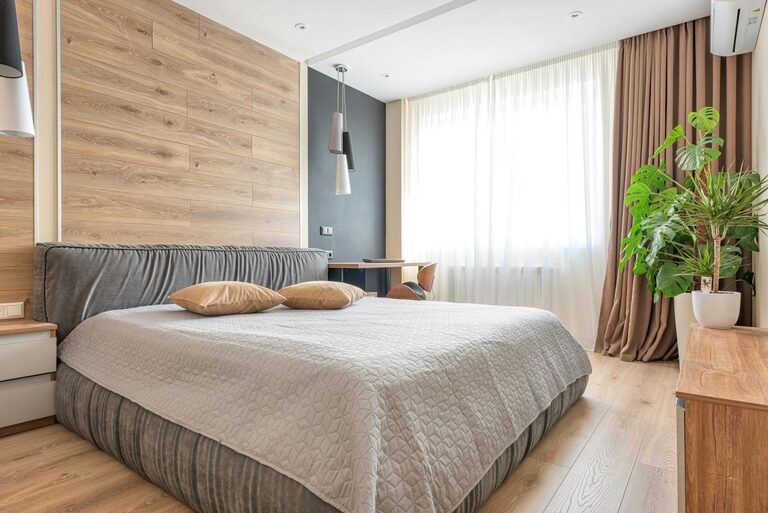
Creating a warm and inviting atmosphere in your home starts with the right lighting. Comfortable home lighting not only brightens your living space but also influences how you feel and interact within it. Whether you’re reading, relaxing, working, or entertaining, the lighting you choose can make all the difference. This guide offers practical tips to help you select lighting that combines comfort, style, and function.
Understanding the Importance of Comfortable Lighting
Lighting affects more than just visibility. It impacts your mood, productivity, and even your health. Harsh, overly bright lights can cause eyestrain and discomfort, while dim or poorly placed lighting can make a space feel gloomy or unsafe. Striking the right balance ensures your home feels cozy, welcoming, and suited to your daily activities.
Choose the Right Type of Light Bulb
When it comes to comfort, the type of bulb you use matters a lot. Here are some common options:
– LED Bulbs: Energy-efficient, long-lasting, and available in a wide range of color temperatures. Look for LEDs labeled “soft white” or “warm white” for a comfortable, cozy glow.
– Incandescent Bulbs: Provide warm, natural light but are less energy efficient and have a shorter lifespan.
– Halogen Bulbs: Similar to incandescent but slightly more energy-efficient, offering bright and crisp lighting.
– Fluorescent Bulbs: Often cooler and brighter, which might not be ideal for comfort but work well in utility areas.
Tip: Pay attention to the Color Temperature
Color temperature is measured in Kelvins (K). Lower numbers (2700K-3000K) give off warm, yellowish light ideal for living rooms and bedrooms. Higher numbers (4000K-5000K) produce cooler, bluish light better suited for task areas like kitchens or home offices.
Layer Your Lighting for Flexibility
A single overhead light is rarely enough for comfortable and versatile illumination. Instead, use layers of light:
– Ambient Lighting: The main source of light for general illumination, such as ceiling fixtures or recessed lights.
– Task Lighting: Focused light for activities like reading, cooking, or working. Examples include desk lamps, under-cabinet lights, or reading lamps.
– Accent Lighting: Highlights specific features or decor, adding depth and warmth. Think wall sconces, picture lights, or LED strips.
By layering different types of lighting, you can adjust the mood and functionality of each room as needed.
Use Dimmers to Control Brightness
Installing dimmer switches is one of the easiest ways to improve lighting comfort. Being able to adjust brightness lets you set the perfect intensity whether you want bright light for cleaning or soft light for winding down. Dimmers also help save energy and extend bulb life.
Choose Fixtures That Complement Your Space
Comfortable lighting includes how fixtures fit visually and practically in your home.
– Shape and Shade: Lampshades and fixture shapes influence how light is dispersed. Fabric shades, for example, soften the light and reduce glare.
– Fixture Size: Make sure the size of the fixture suits the room. Oversized fixtures can overwhelm a small space and vice versa.
– Placement: Place fixtures where they provide the most benefit without causing shadows or glare.
Consider Natural Light and Window Treatments
Maximize the use of natural daylight to reduce reliance on artificial lighting and improve comfort.
– Use sheer curtains or blinds that allow light in while reducing glare.
– Position mirrors to reflect light and brighten the room.
– Keep windows clean to let in as much natural light as possible.
Mind Color and Reflective Surfaces
The colors on your walls and the materials in your room affect how light is absorbed or reflected.
– Light-colored walls reflect more light and help spread it evenly, enhancing brightness.
– Darker colors absorb light and can make a room feel cozier but may require additional artificial lighting.
– Reflective surfaces like glass or polished wood can bounce light around, increasing overall illumination.
Prioritize Energy Efficiency and Longevity
While comfort is key, it’s smart to consider bulbs and fixtures that save energy and last longer. LEDs are top picks for this reason. Energy-efficient choices reduce electricity bills and maintenance, making comfortable lighting a practical investment.
Test the Lighting Before Finalizing
Before installing new fixtures, try out bulbs and lamps in your space. Many retailers offer sample bulbs, or you can bring home a few options to compare. Evaluate how the light feels at different times of day and with various settings.
Final Thoughts
Choosing comfortable home lighting may feel overwhelming with so many options available, but focusing on warmth, layering, and control will lead to a more enjoyable living space. By understanding your lighting needs and blending style with function, you can create a home that’s not only bright but genuinely welcoming.
Remember, well-chosen lighting can transform your home’s atmosphere, support your activities, and enhance your overall comfort. So take your time, explore your choices, and let your rooms shine just the way you like them!